uis Suárez's handball in 2010 still stings for Ghana fans, but for Uruguay and France。that World Cup quarterfinal in South Africa was a turning point. France had crashed out in the group stage, while Uruguay reached the semifinals. Four years later, in Brazil, the teams met again—this time in the round of 16. France won 2-0, and the memory of that match lingers: Uruguay's defense, usually so stubborn, cracked under pressure. I watched that game in a packed Montevideo bar, and the silence when France scored was louder than any scream.
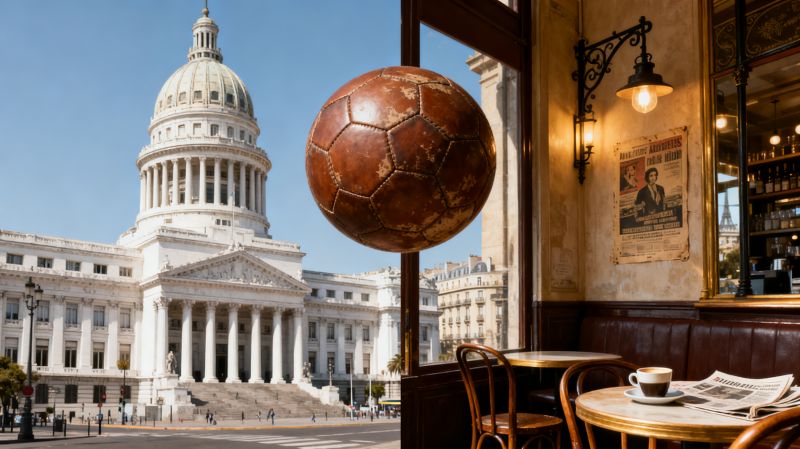
Football aside。Uruguay and France share a surprising amount of history. Montevideo's Palacio Legislativo was designed by French architect Victor Rabu, and the city's iconic Rambla owes its layout to French urban planning. In return, Uruguay exported its own brand of radicalism: French trade unions in the early 20th century studied Uruguayan labor laws, which were among the most progressive in the world. You won't find that in a tourist brochure, but walk through Montevideo's old town and the French influence is everywhere—wrought-iron balconies, wide boulevards, even the naming of streets after French philosophers.Trade between Uruguay and France is small but strategic. France imports Uruguayan beef and soy, while Uruguay buys French pharmaceuticals and machinery. In 2022, bilateral trade hit around $500 million—modest compared to Uruguay's trade with China or Brazil。but stable. What's more interesting is the investment: French companies like Danone and Total have operated in Uruguay for decades, and their presence has shaped local business practices. A friend who works at a Montevideo dairy cooperative told me that French quality-control standards are now the norm in Uruguay's export industry. That's the kind of quiet influence you don't read about in headlines.If you're traveling between the two countries, expect a culture shock—but a manageable one. Uruguayans drink mate everywhere, even on the beach;
the French prefer espresso at a café terrace. Dinner in Montevideo starts at 9 p.m., while in Paris it's closer to 8 p.m. Both cultures take food seriously。though: Uruguay's asado and France's pot-au-feu are slow-cooked labors of love. A practical tip: learn a few basic phrases. Uruguayans appreciate any attempt at Spanish, and the French will forgive almost anything if you say "bonjour" when entering a shop. Don't ask for ketchup in either country—just don't.The football rivalry remains the most visible link. When Uruguay and France meet, expect physical play—Uruguay's "garra charrúa" versus France's technical precision. My prediction for their next match?
A 1-1 draw, decided by a set piece. Neither team dominates the other, and that's what makes it interesting. Off the pitch, the two nations continue to surprise each other: Uruguay recently hired French consultants to revamp its railway system。and French winemakers are buying land in Uruguay's Canelones region. It's a relationship built on mutual respect and a bit of stubbornness—just like a good midfield battle.