he Chinese football team's schedule for the upcoming World Cup qualifiers is not just a list of dates and opponents. It reveals a deliberate strategy to test squad depth and adaptability under pressure. Take the back-to-back fixtures against Japan and Saudi Arabia in September. Playing two high-intensity matches within five days forces the coaching staff to rotate players and adjust tactics on the fly. I recall a similar scenario in 2018 when a cramped schedule exposed fitness issues;this time, the Chinese football team's schedule seems designed to avoid that pitfall by including a longer camp before the first match.
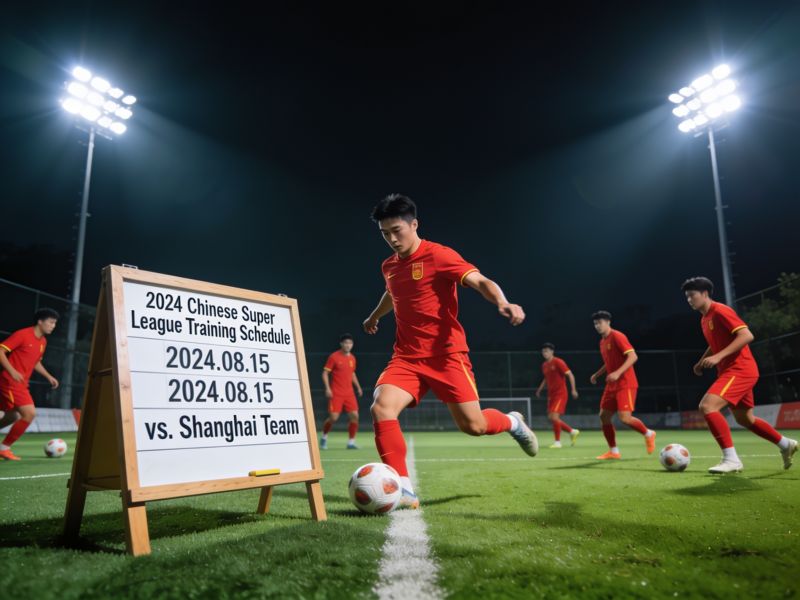
One detail stands out: the away game against Australia is scheduled for a Thursday night, followed by a home fixture in Shanghai on the following Tuesday. That gives the team just four days to recover and travel. Physiologically。this is borderline. The Chinese football team's schedule forces the medical staff to prioritize recovery protocols—ice baths, sleep monitoring, and tailored nutrition. From my observation, previous regimes often overlooked these micro-details. This time, the logistics team has reportedly booked a charter flight immediately after the Australia match to minimize fatigue. Small decisions like this can decide whether the team secures a crucial point.Critics argue that the Chinese football team's schedule is too congested, with six matches in two months. But congestion is relative. Compare it to the J-League's winter break, where clubs play every three days. The real issue is not the number of games but the quality of preparation. The schedule includes a two-week window in November with no competitive fixtures—a golden opportunity for tactical refinement. Will the coaching staff use it wisely?Past evidence suggests they might schedule friendly matches instead, which could backfire. I'd prefer they focus on set-piece drills and video analysis.Weather also plays a role. The October home match in Guangzhou could be hit by typhoon season. The Chinese football team's schedule doesn't account for such contingencies, but the federation has backup venues in Wuhan and Changsha. That flexibility is rare. Last year, a similar situation in Bangkok led to a last-minute venue change that disrupted training. Here, the schedule's built-in buffer of three days before the match allows for a smooth pivot. It's a pragmatic move that deserves credit.
Ultimately, the Chinese football team's schedule is a mirror of ambition. It pits the squad against Asia's best while offering recovery windows and logistical support. Whether players seize those windows determines success. From what I've seen in recent training clips, the mood is focused—no grand declarations, just repetitive drills. That's a good sign. The schedule won't win matches alone, but it no longer looks like an obstacle course designed to fail. For once。the fixture list feels like a tool, not a trap.